 By admin
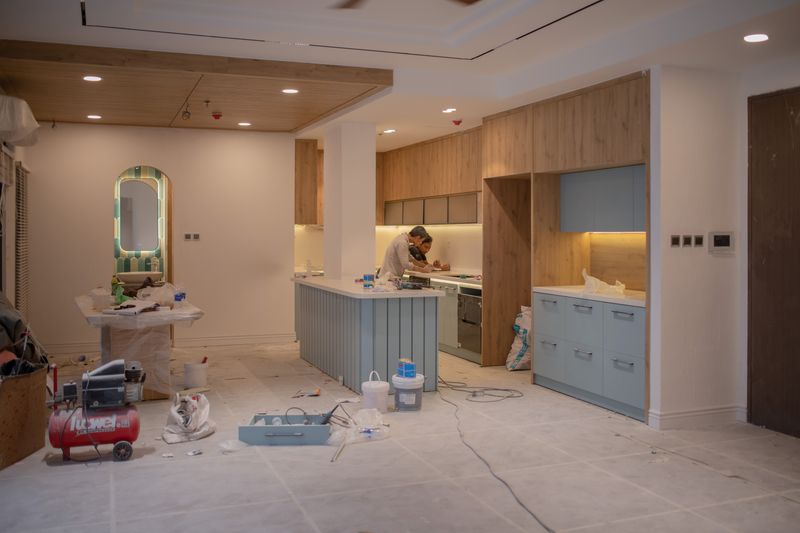
Key Takeaways
- Small, strategic updates often return more value at resale than full-scale overhauls, making minor refreshes a smart financial move.
- Cabinet refacing can recover roughly 72% of its cost while costing significantly less than tearing out and replacing cabinetry.
- Energy Star certified appliances can trim monthly utility bills by 10 to 50 percent, offering long-term savings beyond the initial purchase.
- Layered lighting, open shelving, and smart storage solutions dramatically improve a kitchen’s function without major structural work.
- Paint, hardware swaps, and peel-and-stick materials deliver visible transformation for a fraction of traditional costs.
- Prioritizing cosmetic updates over layout changes is the most reliable way to stretch a limited budget.
- Planning the sequence of upgrades carefully helps homeowners avoid costly rework and wasted materials.
Why Smart Kitchen Upgrades Matter More Than Ever
The kitchen has quietly become the hardest-working room in the modern house. It is where families eat, kids do homework, friends gather, and remote workers answer emails between coffee refills. On any given weekday, it might serve as a breakfast bar at 7 a.m., a conference room by 10, a snack station after school, and a dinner party stage by evening. Because it carries so much daily weight, even small inefficiencies — a cramped counter, a flickering bulb, a drawer that sticks, a cabinet door that bumps the fridge handle — can wear on you over time. These micro-frustrations add up, quietly draining energy and making the space feel older and tireder than it really is.
Yet full gut renovations have become eye-wateringly expensive. Material costs, labor shortages, permit delays, and supply chain pressures have pushed average project totals well beyond what most households can comfortably absorb. Industry surveys regularly peg midrange kitchen remodels in the tens of thousands of dollars, and high-end overhauls can easily cross six figures once custom cabinetry, stone countertops, and specialty appliances enter the picture. For many homeowners, that number simply is not realistic — especially with rising mortgage rates and tighter household budgets. That financial reality has made clever, targeted updates more attractive than ever before, and it has reshaped how people think about home improvement as a whole: less about tearing everything down, more about making what you already have work smarter.
The good news is that research consistently shows that modest, focused upgrades can match or even beat the lifestyle impact of a tear-down remodel. Swapping in better lighting, reorganizing a pantry, refacing tired cabinets, or adding a single well-chosen appliance can transform how a kitchen feels day to day — often for a fraction of the cost. Homeowners who approach the project strategically also tend to recoup more at resale, because buyers notice freshness and function more than they notice brand names. The trick is knowing where to put your dollars so each one works twice as hard, and that is exactly what the right kitchen renovation ideas on a budget are designed to do: deliver visible, livable improvements without the financial hangover of a full remodel.
What Does the Data Say About Kitchen ROI?
Before picking paint chips or shopping for faucets, it helps to understand what actually pays off. According to the 2025 Cost vs. Value Report from Zonda, a midrange minor kitchen refresh averaging around $28,458 managed to recover nearly 113% of its cost at resale. That is a rare instance of a project returning more than it cost.
Compare that to larger-scale work. The National Association of Realtors 2025 Remodeling Impact Report found that both complete kitchen renovations and smaller upgrades recoup roughly 60% of their investment when the home sells. In other words, going bigger does not automatically mean recouping more.
The lesson is clear. Restraint pays. If you are weighing kitchen renovation ideas on a budget, the smartest approach is to focus on cosmetic and functional refreshes rather than moving plumbing, tearing out walls, or chasing trend-driven overhauls that may age quickly.
How to Decide Where Your Dollars Go
Not every kitchen needs the same treatment. Walk through yours with a notepad and ask three questions: What annoys me daily? What looks dated? What is actually broken? Items that land in all three categories deserve the first chunk of your budget. Items that only look tired can often be refreshed with paint, hardware, or a creative workaround.
Refacing, Repainting, and Rethinking Cabinets
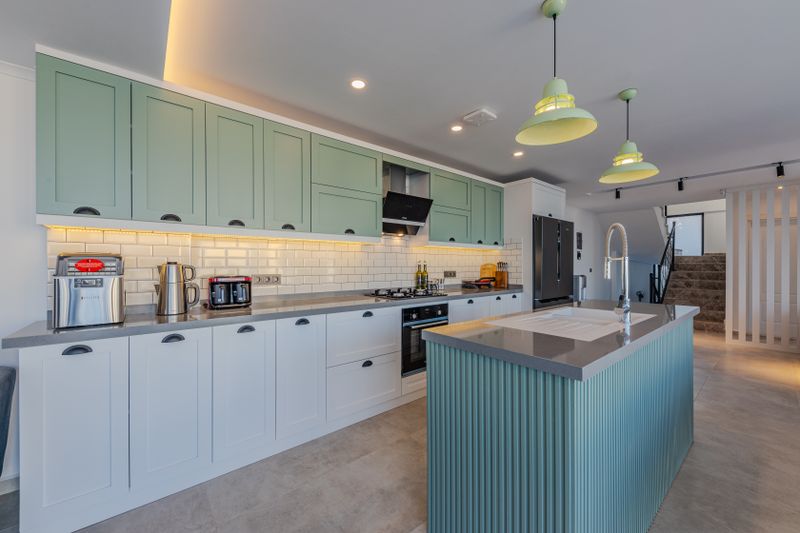
Cabinets dominate the visual weight of any kitchen. Replace them, and you have essentially rebuilt the room. Refinish them, and you have transformed it for a fraction of the price. According to NAR data, cabinet refacing delivers about a 72% return on investment while costing significantly less than a full replacement.
Refacing means keeping the existing cabinet boxes and swapping out the doors, drawer fronts, and veneer. Painting goes even further on the savings side. A high-quality enamel finish, applied carefully, can make tired oak cabinets look brand new for the cost of a few cans of paint and a weekend of labor.
Small hardware changes amplify the effect. Consider these quick wins:
- Replace dated knobs with matte black, brushed brass, or satin nickel pulls
- Install soft-close hinges on existing doors
- Add pull-out organizers inside base cabinets
- Swap solid upper doors for glass-front panels in one section
- Install under-cabinet LED strips for warmer task lighting
Each of these projects is affordable on its own, but stacked together they create the feel of a far more expensive remodel.
Can Appliances Really Save You Money?
Appliances are the second big-ticket category, and here energy efficiency matters as much as looks. According to Great Additions Construction Company, Energy Star certified refrigerators, dishwashers, and ovens can cut monthly utility bills by 10 to 50 percent. Over a decade of ownership, that difference often covers the price gap between a basic model and a certified efficient one.
When replacing appliances, buy strategically. Floor models, open-box returns, and end-of-model-year clearance events can shave hundreds off the sticker price. Many manufacturers also run rebate programs tied to utility companies, so check your local energy provider before you buy.
Picking the Right Order of Replacement
If you cannot afford to replace everything at once, start with the appliance that is costing you the most. A refrigerator older than fifteen years is usually the top energy drain in the kitchen. Ovens and dishwashers come next. Microwaves and small countertop units are the least urgent and often the cheapest to replace later.
Budget-Friendly Kitchen Makeovers That Work
Some of the biggest visual changes come from the smallest investments. A well-chosen backsplash, for example, can redefine the character of the entire room. Peel-and-stick tile has advanced dramatically in recent years, offering textured, dimensional finishes that read as real ceramic from more than a few feet away.
Countertops are another area where creative thinking saves thousands. Instead of quartz or granite, consider butcher block for islands, laminate with modern edge profiles for perimeter counters, or concrete overlays that you can apply directly over existing surfaces. Each option costs a fraction of a stone slab while still looking intentional and current.
Here are high-impact updates that typically run under a few hundred dollars each:
- Repaint walls in a fresh, modern neutral
- Install a peel-and-stick backsplash in a herringbone or subway pattern
- Replace the faucet with a pull-down sprayer model
- Add a statement pendant light above the sink or island
- Swap the kitchen rug or runner for something more durable and modern
- Refinish or paint the existing kitchen table instead of buying new
- Add floating shelves in place of one upper cabinet run
The combined effect of three or four of these updates often rivals what a much larger renovation budget would accomplish.
Lighting, Layout, and the Small Details That Transform a Kitchen
Lighting is the most underrated element in any kitchen refresh. Most older kitchens rely on a single overhead fixture, which creates harsh shadows and makes food prep feel gloomy. Layered lighting changes everything. A good plan combines three types: ambient light for the whole room, task light for work surfaces, and accent light to highlight features like open shelving or a backsplash.
Under-cabinet LED strips are inexpensive, easy to install, and dramatically improve how the counters look and function. Pendant lights over an island or peninsula add character while directing light exactly where you need it. Dimmer switches on existing fixtures cost very little and let the same room shift from bright morning prep to softer evening ambiance.
Layout tweaks can also deliver outsized results without moving plumbing or walls. Think about traffic flow, where you drop groceries, and how far you walk between the fridge, sink, and stove. Small adjustments — repositioning a rolling cart, adding a narrow pantry cabinet, or mounting a magnetic knife strip — can free up counter space you did not realize you were losing. If you are planning broader interior remodeling tips alongside the kitchen work, consider how lighting and flow decisions in one room influence the next.
Storage Solutions That Punch Above Their Weight
Clutter is the enemy of a kitchen that feels modern and efficient. Before spending anything on new cabinets, look at how well your current ones are organized. Drawer dividers, tiered shelf inserts, lazy Susans in corner cabinets, and vertical tray organizers can effectively double your usable storage.
Consider these additions that cost very little but return significant daily value:
- Pull-out trash and recycling bins hidden behind a cabinet door
- Toe-kick drawers under base cabinets for baking sheets and trays
- Pegboard walls for pots, utensils, or frequently used tools
- Over-the-door racks for spices and wraps
- Stackable clear bins in the pantry for dry goods
These solutions let you keep counters clear, which does more for the perceived size and modernity of a kitchen than almost any single purchase.
Planning the Project Sequence to Avoid Costly Rework
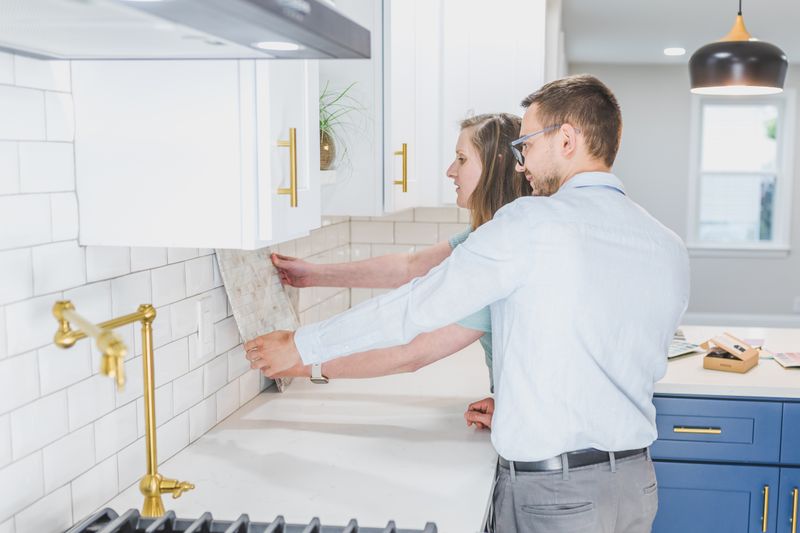
The order in which you tackle updates matters more than most homeowners realize. Painting cabinets before replacing the countertop makes sense if you are keeping the counter, but is wasted effort if the new counter will require pulling cabinets out. Installing a backsplash before swapping the range hood can leave you with awkward cuts and visible gaps. Think several steps ahead.
A good rule is to work from structural to cosmetic. Any plumbing, electrical, or ventilation changes should come first, followed by cabinetry work, then counters, then backsplash, then paint, and finally hardware and lighting trim. This order minimizes the chance that an earlier finish gets damaged or made obsolete by a later one. Treating the kitchen as part of a larger home improvement plan — rather than an isolated project — also helps you coordinate shared resources like paint colors, flooring transitions, and lighting styles across adjacent rooms.
Timing matters too. If you are moving into a home that needs work, tackling the kitchen before you fully unpack is almost always easier than trying to renovate around a stocked pantry and daily meal prep. Living through dust and displaced appliances is far simpler when you have not yet built routines around the space.
Avoiding the Most Common Budget Traps
Even careful planners trip over the same mistakes. Watch for these pitfalls:
- Buying finishes impulsively before confirming they fit the broader design
- Underestimating the cost of small supplies like caulk, screws, and primer
- Hiring a contractor for tasks you could handle with a weekend of patience
- Skipping permits on work that will need to be disclosed at resale
- Chasing trends that will feel dated within three years
Keeping a running spreadsheet of every purchase, even the small ones, is the single best way to keep a project on track.
Conclusion
A smart kitchen refresh is not about doing less — it is about doing the right things in the right order. The data is consistent across industry reports: targeted, cosmetic-focused updates routinely outperform full-scale renovations in both return on investment and daily livability. Paint, hardware, lighting, and thoughtful storage changes can shift the entire feel of a room without draining savings or forcing you to live through months of construction.
The homeowners who get the most from a limited budget are the ones who plan carefully, resist impulse buys, and sequence their work so that each stage supports the next. They treat the kitchen as a system of small decisions rather than a single enormous purchase, and they lean on refinishing, repurposing, and strategic upgrades to stretch every dollar.
Whether your goal is to sell in a year, settle in for the long haul, or simply enjoy mornings a little more, the path to a better kitchen does not require a bulldozer. It requires a sharp eye, a steady plan, and the patience to let small changes add up to something that feels genuinely new.