 By admin
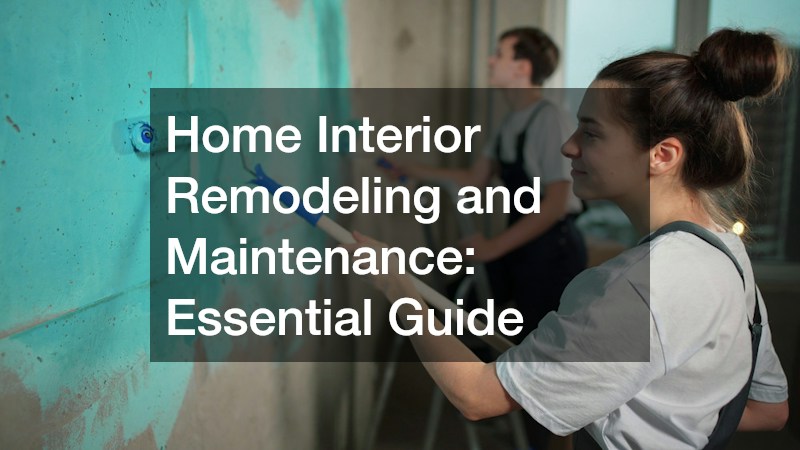
A well-designed home interior should do more than look appealing. It should also provide comfort, functionality, and a healthy environment for everyday living. However, achieving this requires more than updating paint colors, replacing outdated fixtures, or installing new finishes. Homeowners must also consider plumbing, water quality, moisture control, material durability, and routine upkeep to ensure that improvements last. Combining remodeling projects with proper maintenance can help prevent hidden problems from compromising newly renovated spaces while making the home more practical and enjoyable.
Before beginning any project, take time to evaluate your existing living spaces. Identify outdated features, areas that need better functionality, and maintenance issues that may require professional attention. Setting clear priorities, establishing a realistic budget, and understanding which repairs should come before cosmetic improvements can help you avoid unnecessary expenses. Following practical interior remodeling tips can also make it easier to choose suitable materials, plan upgrades, and create spaces that accommodate your household’s needs.
Successful interior improvements require careful planning, especially when multiple projects are involved. Consider how construction will affect your daily routines, whether certain rooms will temporarily become unusable, and how much time each upgrade may take. It is also important to account for unexpected repairs that may arise once walls, floors, or fixtures are inspected more closely. This guide explores essential remodeling and maintenance considerations to help you improve your home’s interior, protect its condition, and create a comfortable living space that serves your household for years to come.
Refresh Rooms With Professional Painting and Thoughtful Finishes
A fresh coat of paint can change how a room feels without requiring a complete renovation. Lighter tones can make smaller areas appear more open, while deeper colors can add warmth to bedrooms, dining rooms, or accent walls. Color selection should account for natural light, existing flooring, cabinetry, and the atmosphere homeowners want to create. Sampling several shades on the wall helps reveal how their appearance changes throughout the day.
An interior painting service can help with more than applying color. Proper preparation often includes cleaning walls, filling small holes, repairing minor surface defects, sanding rough areas, and applying primer where needed. Professionals can also advise on finishes suited to different rooms. Kitchens, bathrooms, and busy hallways may benefit from washable coatings that tolerate frequent cleaning, while ceilings often look better with finishes that minimize visible imperfections.
Painting is also an opportunity to inspect trim, baseboards, and corners for stains or signs of moisture. Discoloration that keeps returning deserves investigation before another coat covers it. Coordinate painting with other renovations so walls are finished after disruptive demolition and major fixture installations. This order reduces touchups and protects the investment in a clean, consistent appearance. Finally, consider using coordinated colors between adjoining rooms to create a sense of continuity without making every space look identical.
Improve Ambience and Visibility With Updated Lighting

Lighting affects how people cook, work, relax, and move through their homes. A useful plan combines general illumination with task lighting and softer accents. Bright fixtures near countertops can support food preparation, while focused light beside mirrors helps with grooming. Living rooms and bedrooms often benefit from several adjustable sources rather than one overhead fixture that leaves corners dim.
Homeowners exploring permanent lighting services can ask about professionally installed systems designed for consistent, long-term use. Depending on the product and application, these may include integrated architectural lighting, undercabinet illumination, or other fixed lighting solutions. Discuss the intended location, wiring requirements, controls, energy consumption, and maintenance access before choosing fixtures. Electrical work should be performed by appropriately qualified professionals, particularly when new circuits or concealed wiring are involved.
Lighting updates are most effective when considered early in a remodeling plan. Moving a fixture after cabinets, tile, or drywall are complete can create unnecessary repairs. Think about switch placement, dimming controls, and how different household members will use the space. Good lighting can highlight finishes and improve everyday visibility, but it should also be comfortable rather than harsh. Selecting fixtures that suit the room’s proportions helps the final design feel intentional and cohesive. For homes with limited daylight, evaluate lighting at the times when rooms are actually occupied. A fixture that looks bright during an afternoon consultation may feel very different on a winter evening. Consider warm versus cool light, glare on reflective countertops, and whether controls are reachable for everyone in the household. These details can improve comfort without requiring elaborate equipment.
Make Bathrooms More Practical Through Coordinated Remodeling
Bathrooms must balance comfort, storage, moisture resistance, and easy cleaning within a relatively small footprint. A remodel might replace an awkward vanity, improve ventilation, create more accessible storage, or update a shower that no longer suits the household. Before selecting finishes, examine how doors open, where people stand, and whether fixtures leave enough room for daily routines. Small layout changes can sometimes deliver more value than decorative upgrades alone.
A local bathroom remodeling company can help homeowners assess what is feasible within the existing space. Discuss plumbing locations, electrical capacity, ventilation, waterproofing, and any accessibility goals before settling on a layout. If the shower is being replaced, frameless shower door services may provide an option for creating a streamlined appearance. However, glass panels require suitable support, accurate measurements, and careful installation to manage leaks and maintain safe operation.
Material selection should emphasize durability as well as style. Choose slip-resistant flooring where appropriate, consider how grout lines will be cleaned, and select storage that keeps frequently used products accessible. Adequate ventilation can help control humidity after showers and protect surrounding finishes. Plan the sequence of work carefully because plumbing, waterproofing, tile installation, and glass measurements often depend on one another. A well-coordinated project can produce a bathroom that functions better without sacrificing the home’s overall character.
Upgrade Countertops and Remove Worn Surfaces Carefully

Kitchen and bathroom countertops experience frequent contact with water, heat, spills, and cleaning products. When surfaces are chipped, stained, swollen, or difficult to maintain, replacement can make a noticeable difference. Available materials vary in appearance, cost, maintenance, and resistance to everyday wear. Rather than choosing solely from a showroom sample, consider how the household cooks, cleans, and uses each room.
Professionals offering local countertop installations can measure the space, evaluate the condition of supporting cabinets, and explain how seams, edges, sinks, and backsplashes will be handled. Accurate measurements matter, especially near corners and built-in appliances. Ask what preparation is included and whether plumbing connections must be disconnected and restored by another professional. Clear scheduling prevents unnecessary gaps between removing an old countertop and using the new one.
Flooring and wall finishes may also need attention during larger updates. Dustless tile removals use specialized equipment and dust-control techniques intended to reduce airborne debris during demolition. The term does not guarantee a completely dust-free project, so ask how work areas will be contained and cleaned. Older materials may require additional assessment before removal. Protect nearby vents, furniture, and finished surfaces, and confirm how debris will leave the property. Careful removal and installation create a stronger foundation for attractive, long-lasting results.
Address Water Damage Before Making Cosmetic Changes
Water damage can quickly undermine interior improvements. A slow leak behind a vanity, recurring moisture near a window, or an overflowing appliance may affect flooring, drywall, insulation, and cabinetry. Visible stains are only one possible warning sign. Musty odors, soft surfaces, peeling paint, and unexplained increases in humidity can also indicate that further investigation is needed. Covering damaged materials with fresh finishes will not solve the underlying problem.
A water and mold restoration service can assess affected areas, recommend appropriate drying and remediation procedures, and help determine which materials can be cleaned or must be removed. The response depends on the source of moisture, how long materials have been wet, and the extent of contamination. Prompt attention is important, but homeowners should avoid disturbing extensive suspected mold growth without appropriate precautions. Serious flooding or sewage exposure requires particular care.
Restoration should be coordinated with repairs that stop the water source. Otherwise, newly installed drywall, flooring, or cabinets could become damaged again. Ask for a clear explanation of the work, documentation of affected areas, and any necessary follow-up checks. Once moisture problems have been addressed and materials are ready for rebuilding, replacement finishes can be selected with greater confidence. Preventive habits, such as checking supply lines and responding quickly to small leaks, can also help protect completed renovations.
Keep Plumbing Reliable During Interior Improvements

Plumbing is easy to overlook when fixtures appear to function normally. Yet aging supply lines, loose connections, clogged drains, and unreliable shutoff valves can complicate a remodel or cause damage after a room has been finished. Before installing a new sink, shower, or dishwasher, it makes sense to examine the associated plumbing and decide whether repairs should be completed while the area is accessible.
A local plumbing service can inspect visible components, identify potential issues, and complete work that requires professional expertise. Discuss water pressure, drainage performance, fixture placement, and whether existing pipes can support planned changes. Even a relatively simple vanity replacement may involve adjustments to supply and waste connections. Homeowners should also locate their main water shutoff and make sure household members know how to use it in an emergency.
Routine maintenance remains important after construction ends. Look beneath sinks for dampness, monitor fixtures for persistent dripping, and pay attention to drains that empty unusually slowly. Avoid relying on repeated chemical treatments without identifying the cause of recurring blockages. Keep records of repairs and new installations for future reference. By coordinating plumbing work with remodeling schedules, homeowners can avoid reopening finished walls and reduce the chance that hidden problems will compromise otherwise successful improvements.
Consider Water Treatment for Everyday Household Needs
Water quality influences many household activities, including drinking, cooking, bathing, and cleaning. Some homeowners notice hard-water spots on fixtures or mineral buildup around faucets, while others have concerns about taste or odor. These observations can guide questions, but they do not establish which contaminants are present. Choosing treatment equipment should begin with reliable information about the home’s water source and any specific quality problems.
A water treatment company can explain testing options and discuss systems designed to address identified needs. Depending on the circumstances, solutions may include sediment filtration, activated carbon filters, water softeners, or other treatment technologies. Each approach serves a different purpose, and no single system removes every possible contaminant. Homeowners using private wells may have different testing and maintenance responsibilities than those served by municipal supplies.
When buying water purification supplies, check compatibility with the installed system and follow the manufacturer’s replacement schedule. Filters, cartridges, and other components need timely maintenance to perform as intended. Ask about ongoing costs, required space, drainage needs, and how treated water will reach the appropriate fixtures. Integrating water treatment planning with plumbing or kitchen improvements may also simplify installation. The goal is not simply to add equipment, but to select a manageable solution supported by appropriate testing and regular upkeep.
Coordinate Projects and Maintain Your Finished Spaces

The difference between a smooth improvement project and a frustrating one often comes down to coordination. Develop a sequence that places inspections, plumbing changes, electrical updates, demolition, and restoration ahead of final finishes. Confirm who is responsible for permits, material delivery, cleanup, and protecting areas that are not being renovated. Keeping one shared schedule helps contractors avoid working over one another and gives the household a clearer picture of what to expect.
Budget for materials and labor, but also consider disposal fees, temporary access arrangements, and possible discoveries behind old surfaces. Ask providers for written scopes that describe the work, anticipated timeline, payment terms, and how changes will be approved. If several contractors are involved, clarify who will communicate when one stage is finished and the next can begin. Photograph existing conditions and keep warranties, manuals, and receipts in one accessible place.
After improvements are complete, establish simple routines to protect them. Clean finishes with products recommended by their manufacturers, maintain ventilation, inspect areas around water fixtures, and replace treatment filters when required. Test lighting controls and address small signs of wear before they become larger repairs. Remodeling offers the most lasting benefits when beautiful finishes are paired with dependable systems and ongoing care. With realistic planning and appropriate professional help, homeowners can create interiors that remain comfortable, highly functional, and significantly easier to maintain as their needs change.
Conclusion
A successful home renovation is about more than creating a beautiful interior. It means making thoughtful improvements while ensuring that essential systems remain reliable and the home stays comfortable, safe, and easy to maintain. By addressing plumbing and moisture concerns, choosing durable materials, and coordinating professional services, homeowners can protect their investment and enjoy lasting results. Regular upkeep will help preserve these improvements and keep the home ready for the needs of everyday life.