 By admin
A backyard can become more than the space behind a house. For families, it can be a place for morning coffee, imaginative games, weekend meals, and quiet conversations after a busy day. Creating that kind of environment takes more than choosing attractive plants or buying outdoor furniture. The most useful yards balance comfort, safety, flexibility, and realistic maintenance needs.
Before starting a project, think about how everyone in the household will use the space. Toddlers need room to explore, older children may want a place for games, and adults appreciate comfortable seating and a little privacy. With the right priorities, families can create outdoor spaces that feel welcoming today and remain useful as routines change.
Start With Your Family’s Everyday Needs
The most successful backyard projects begin with an honest look at daily life. Rather than copying a picture of an elaborate outdoor kitchen or a perfectly manicured garden, consider what your family actually enjoys. Do you eat outside on warm evenings? Are children constantly kicking balls across the grass? Does someone need a quiet spot to read while others play? The answers should guide which improvements receive the most space and attention.
Walk through the yard at different times of day. Notice where sunlight becomes intense, where rainwater collects, and which spots offer natural shade. Pay attention to routes between the back door, play equipment, garden beds, and any existing seating.
Next, separate priorities into immediate needs and future possibilities. A secure play area might matter more this year than a built-in grill. A shaded table could serve everyday family meals before a larger entertaining area becomes affordable. Establishing a budget with room for unexpected repairs can prevent one upgrade from consuming resources needed elsewhere.
Include children in age-appropriate decisions, too. They might choose a garden color scheme or help identify the best place for lawn games. When everyone contributes, the finished space is more likely to become part of the family’s routine rather than a feature admired only from the window.
Design a Landscape That Works for Everyone
Good landscape design connects the different parts of a yard while making each area feel purposeful. A family might want an open lawn for running, planting beds along the edges, and a peaceful corner for adults. These uses do not need to compete. Clear pathways, thoughtful plant placement, and appropriately sized gathering areas help the yard function as one cohesive environment.
Begin by identifying features that should stay. A healthy mature tree may provide valuable shade, while a patio could become the center of a seating area. If the yard slopes, consider whether certain activities belong on flatter ground and whether drainage improvements are necessary before other work begins.
Think about sightlines from the house and primary seating areas. Parents may prefer a clear view of play spaces without putting every toy in the center of the yard. Low-growing plants and open borders can define activity zones while maintaining visibility. Taller shrubs or carefully placed screens can offer privacy where it matters most.
Plant choices also affect how practical the space feels. Select species suited to local soil, sunlight, and seasonal conditions instead of relying only on their appearance at the garden center. Leave enough room for mature growth, and avoid placing thorny or irritating plants near play routes. An inviting landscape should be enjoyable to use, not demanding to navigate or constantly repair.
Build Reliable Paths and Places to Gather
Outdoor surfaces shape how easily family members move between activities. A stable path from the house to a patio, garden, or play area can keep shoes cleaner and reduce wear on the lawn. When comparing hardscape materials, consider how each option feels underfoot, responds to rain, and handles seasonal temperature changes.
Pavers, gravel, and poured concrete offer different benefits and maintenance requirements. Loose gravel may suit a garden walkway, for example, but it can be inconvenient for strollers or wheeled toys. Smooth, well-drained surfaces often work better along frequently used routes. Plan lighting where people will walk after sunset, particularly near steps and changes in elevation.
A deck can also create a natural transition between indoor rooms and the backyard. Experienced deck builders can help homeowners evaluate layout, structural requirements, railing choices, and the relationship between the platform and nearby play areas. Think about whether a dining table, stroller, or group of chairs will fit comfortably without blocking circulation.
Choose furniture that can withstand regular use and is easy to clean after snacks, crafts, and muddy afternoons. Leave open space around seating so people can move without squeezing past planters or sharp furniture corners. The goal is not to build the largest patio possible; it is to create durable gathering spots that invite families outside for ordinary moments as well as special occasions.
Protect the Spaces Where Children Play
Safety deserves attention before decorative details, especially when younger children or pets use the yard. Start with a careful inspection of the ground, structures, and boundaries. Uneven paving, exposed roots, loose boards, and poorly placed tools can create avoidable hazards. Identify what needs repair immediately and what should be monitored as weather and household needs change.
Trees deserve a separate review after storms or when branches hang above play equipment. A qualified arborist can assess tree health and recommend pruning or other action. When a tree presents a serious risk and cannot be preserved safely, tree removal services may be necessary. Removing a tree should be based on its condition and location, not simply on a desire for a clearer view.
Boundaries matter as well. Families considering an enclosed yard can speak with vinyl fence contractors about heights, layouts, installation requirements, and suitable gate locations. A fence may help define where children and pets can play, but it cannot replace active supervision. Pay particular attention to openings near streets, driveways, and bodies of water.
Inspect existing gates for dragging, damaged hinges, loose latches, or gaps that allow easy passage. Timely gate repair helps keep an enclosure functional and prevents small problems from becoming larger ones. Store chemicals, sharp equipment, and power tools securely, preferably in spaces children cannot access. A safer backyard results from consistent habits and sound maintenance, not from a single product or renovation.
Keep the Lawn and Garden Easy to Manage
A yard should fit the time a family can realistically spend caring for it. Wide lawns look inviting, but they may require frequent mowing, watering, and attention to bare patches. Before expanding turf, consider how much open grass the household needs for play and whether another surface could make certain areas easier to maintain. Keeping some lawn while simplifying difficult corners often offers a practical balance.
A lawn care company can help evaluate persistent problems such as thin growth, compacted soil, weeds, or inconsistent drainage. Ask about seasonal services, treatment schedules, and any precautions needed before children or pets return to treated areas. Families who prefer to handle routine mowing themselves may still benefit from occasional professional advice about soil health and suitable grass varieties.
Gardens can provide a different kind of family activity. Visiting local garden nurseries lets children explore plant colors, textures, and growing habits while adults ask questions about sun exposure and care requirements. A small vegetable bed or a few containers can introduce children to the satisfaction of tending something over time. Choose non-toxic plants around young children and pets, and wash produce before eating it.
Consider adding mulch to appropriate planting areas to manage weeds and protect soil moisture. Group plants with similar watering needs, and keep frequently used paths free of spreading branches. The best garden is not necessarily the fullest one; it is the one the family can enjoy without feeling overwhelmed.
Make Pool Areas Comfortable and Secure
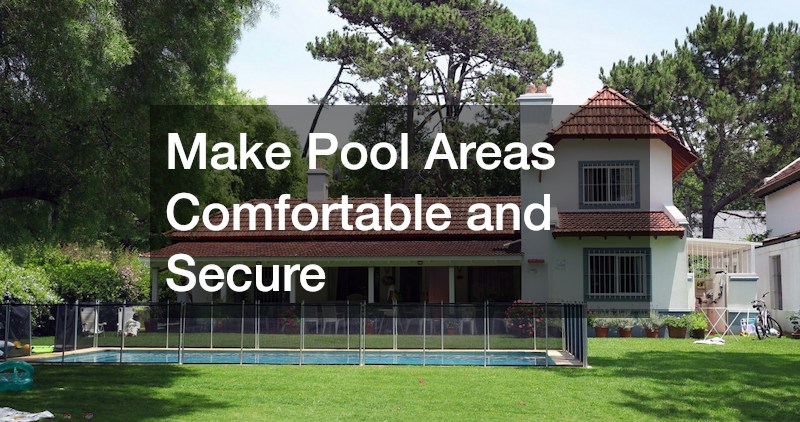
For families with a pool, backyard planning must account for both recreation and substantial safety responsibilities. A pleasant poolside setting might include shaded seating, places to store towels, and a clear route to the house. However, these conveniences should never come before appropriate barriers, functioning gates, and adult supervision around water.
Review local rules governing pool fencing, gates, alarms, and other protective measures. Where appropriate, use multiple layers of protection rather than relying on any single device. Keep rescue equipment accessible, ensure supervising adults know how to respond to an emergency, and establish clear household rules for pool use. Swimming lessons are valuable, but they do not eliminate drowning risk or replace close attention.
Routine upkeep is another essential part of a practical swimming area. Pool cleaning companies may assist with debris removal, water testing, filtration checks, and other maintenance tasks, depending on their services. Ask how often the pool should be inspected and which responsibilities remain with the homeowner between visits. Water that looks clear is not necessarily properly balanced, so follow recommended testing practices.
Think carefully about the materials and layout surrounding the pool. Surfaces should be suitable for wet conditions, and furniture should not create shortcuts over safety barriers. Provide storage for toys so they do not become tripping hazards or tempt children toward the water without supervision. When pool care and safety are part of the initial plan, outdoor fun becomes easier to manage without sacrificing the peace of mind families need.
Add Shelter for More Family Time Outside
Not every backyard gathering happens on a perfect sunny afternoon. Heat, insects, light rain, and changing seasons can interrupt plans even when the outdoor space looks beautiful. Adding shade or shelter expands the range of activities families can comfortably enjoy. A covered eating area can make lunchtime outside more appealing, while a protected reading spot offers a welcome break from active games.
Screened porches are particularly useful for households that enjoy fresh air but want a more protected place to sit. Before beginning construction, a screened in porch contractor can explain possible layouts, foundation needs, ventilation considerations, and how the new structure will connect to the home.
Consider how the space will function on an ordinary weekday. Could children complete a craft project at a table while adults prepare dinner nearby? Is there room for comfortable chairs without blocking the entry? Durable flooring, easy-clean surfaces, and storage for blankets or games can help the area serve multiple purposes.
Other options, including umbrellas, pergolas, and shade sails, may suit families with different budgets or smaller yards. Whatever structure you choose, account for wind exposure, drainage, and ongoing upkeep. Shelter works best when it supports how people already spend time together instead of creating another area that rarely gets used.

Plan for Maintenance and Changing Needs
A family’s backyard should never be considered completely finished. Children grow, hobbies evolve, and the amount of time available for outdoor upkeep changes from season to season. A sandbox may eventually make way for a larger dining table, while a play lawn could become a vegetable garden or a space for evening gatherings. Designing with flexibility in mind makes those transitions less expensive and disruptive.
Create a simple maintenance calendar that matches the property’s features. Check fences and gates periodically, clear paths of debris, inspect decks for loose components, and assess drainage after heavy rain. Review trees for visible changes and schedule professional assessments when warning signs appear. Pools, planting beds, and outdoor structures each need care, but dividing tasks across the year makes them more manageable.
Set aside a modest reserve for repairs and unexpected needs. Choosing durable materials and maintaining them regularly can help prevent small issues from turning into disruptive projects. It is also worth reassessing the yard once or twice a year: Which areas attract people most? Which remain unused? Are children able to play comfortably while adults supervise from nearby seating?
Finally, remember that a beautiful backyard is not defined by expensive features or immaculate landscaping. It is defined by how well it supports everyday life. When a yard offers room to play, space to connect, and a realistic plan for upkeep, it becomes a lasting extension of the family home. The most meaningful improvements are the ones that make it easier to enjoy time together.