 By admin
Creating a home office that truly supports your work style is about more than placing a desk in a spare room. It involves thoughtful decisions that balance comfort, productivity, and long-term value. A well-designed home office can make daily tasks feel more manageable while also helping you separate work life from personal life.
As remote and hybrid work continue to grow, many homeowners are rethinking how their spaces function during the workday. A dedicated office can reduce distractions, improve focus, and support better routines. Even small changes can dramatically change how the space feels and performs.
Practical planning is the foundation of a successful home office. Instead of focusing only on aesthetics, it helps to consider how the room will be used hour by hour. Factors like lighting, temperature control, flooring, and sound all influence comfort and efficiency.
Comfort plays a major role in long-term productivity. Poor seating, harsh lighting, or inconsistent temperatures can quickly become daily frustrations. Addressing these elements early can prevent discomfort that builds over time and distracts from work.
A home office also adds value to your property when designed thoughtfully. Buyers increasingly appreciate flexible spaces that support remote work or creative pursuits. Smart upgrades can make the room attractive for both personal use and future resale.
Noise management is another overlooked aspect. From household sounds to HVAC systems, minimizing disruptions can help maintain focus. Structural choices, layout planning, and even furniture placement contribute to a quieter environment.
Your home office should reflect your professional needs while still feeling like part of your home. Striking that balance means choosing materials and finishes that blend seamlessly with the rest of the house. This approach keeps the space inviting rather than isolated.
With careful planning and practical upgrades, it is possible to create a home office that supports productivity, comfort, and long-term satisfaction. The following sections break down key decisions that help turn an ordinary room into a workspace you actually enjoy using.
Choosing the Furniture

Furniture is the backbone of any functional home office. Desks, chairs, storage, and shelving all affect how efficiently you work throughout the day. Choosing pieces that match your workflow can reduce clutter and improve organization.
Ergonomics should be a top priority when selecting office furniture. Chairs with proper lumbar support, adjustable desks, and monitor placement all help reduce strain. Over time, these features contribute to better posture and less fatigue.
Layout matters just as much as individual pieces. The arrangement should allow easy movement while keeping frequently used items within reach. Thoughtful spacing helps the office feel open rather than cramped.
For built-in solutions or large-scale setups, office furniture installers can be helpful. They bring experience with proper placement, stability, and customization. Professional installation also saves time and avoids costly mistakes.
Storage solutions should match your work habits. Filing cabinets, drawers, and shelving help maintain order while keeping surfaces clear. A tidy space supports focus and efficiency.
Material quality is another consideration. Solid wood, metal frames, and durable finishes hold up better over time. Investing in quality furniture often leads to fewer replacements down the road.
Investing in Hardwood Floors
Flooring plays a significant role in how a home office feels and functions. Hardwood floors offer durability, easy maintenance, and a polished appearance that works well in professional spaces. They also adapt easily to different design styles.
Hardwood flooring supports better air quality than carpet, as it does not trap dust and allergens. This can be especially helpful in a space used daily for long hours. Cleaning is simpler, which keeps the office feeling fresh.
From a design standpoint, hardwood floors create a cohesive look that connects the office with the rest of the home. They also pair well with area rugs, which can add comfort and sound absorption where needed.
Professional hardwood floor installation helps achieve a smooth, level surface that lasts. Proper installation prevents gaps, squeaks, and uneven boards. This attention to detail improves both appearance and longevity.
Hardwood floors also support office furniture more effectively. Chairs roll smoothly, desks remain stable, and wear patterns are easier to manage. Over time, this reduces maintenance concerns.
Repairing Your AC
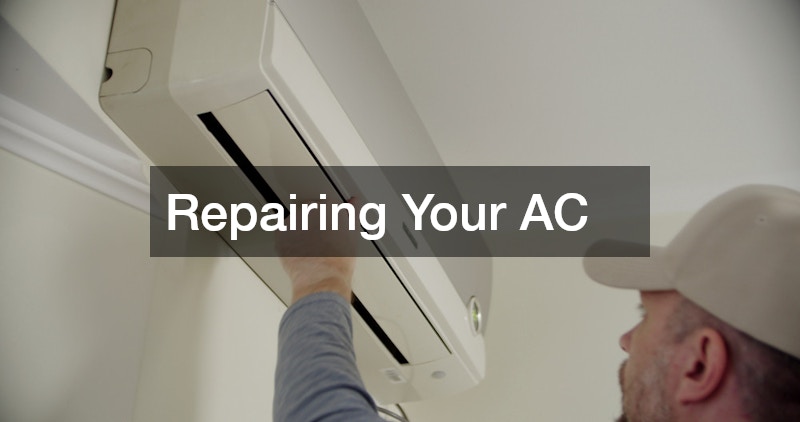
Temperature control is essential in a home office where focus and comfort matter. An unreliable cooling system can make the space uncomfortable, especially during warmer months. Addressing issues early keeps productivity from slipping.
Signs that you may need AC repair include uneven cooling, unusual noises, or rising energy bills. These problems can worsen if ignored, leading to more expensive fixes later.
A properly functioning AC system maintains consistent temperatures throughout the workday. This stability helps reduce distractions caused by discomfort. It also supports electronic equipment that may be sensitive to heat.
Routine maintenance and timely repairs extend the life of your system. Keeping filters clean and components in good condition improves efficiency. This approach supports comfort without unnecessary energy use.
Choosing French Doors
French doors can transform a home office by improving both light flow and visual connection to the rest of the house. They create a defined workspace while still feeling open. This balance works well for many households.
Impact French doors offer added benefits beyond appearance. They provide durability, sound reduction, and enhanced security. These features are useful in busy homes or areas prone to strong weather.
Natural light entering through French doors can improve mood and reduce reliance on artificial lighting. This contributes to a more pleasant work environment throughout the day.
Design options allow these doors to match existing interiors. Glass styles, frames, and finishes can all be selected to complement the home. This keeps the office integrated rather than isolated.
Choosing Window Treatments

Window treatments influence light control, privacy, and overall comfort. The right choice helps manage glare on screens while maintaining natural light. This balance is important for visual comfort.
Window blinds offer flexibility, allowing you to adjust light levels throughout the day. They work well in offices where lighting needs change based on tasks or time of day.
Blinds also contribute to temperature control by limiting heat gain during warmer hours. This supports overall comfort and reduces strain on cooling systems.
Style options make it easy to match blinds to your office decor. From minimalist designs to textured finishes, they can enhance the room without overpowering it.
Repairing Your Furnace
Consistent heating is just as important as cooling in a home office. Cold temperatures can reduce comfort and concentration, especially during long work sessions. Reliable heating supports productivity year-round.
Furnace repair addresses issues like uneven heat, strange smells, or frequent cycling. These signs often indicate underlying problems that should not be ignored.
A well-maintained furnace provides steady warmth without excessive noise. This creates a comfortable background environment that supports focus.
Timely repairs also improve energy efficiency. When systems operate smoothly, they use less energy to maintain desired temperatures. This benefits both comfort and household expenses.
Moving a Piano Into Your Office

Some home offices double as creative spaces, including music rooms. Moving a piano into an office requires careful planning due to size and sensitivity. Proper handling protects both the instrument and the home.
Professional piano movers understand how to navigate tight spaces, stairs, and doorways. Their experience reduces the risk of damage during transport. This is especially important for valuable or antique pianos.
Placement within the office matters as well. Temperature stability, humidity control, and floor support all affect the instrument. Thoughtful positioning preserves sound quality and condition.
A piano can add character and inspiration to a home office. With proper planning, it becomes a functional and aesthetic asset rather than a challenge.
Choosing the Lighting
Lighting directly affects comfort, focus, and eye health. A combination of natural and artificial light often works best in a home office. This layered approach supports different tasks throughout the day.
Task lighting helps with detailed work, while ambient lighting creates overall balance. Adjustable fixtures allow you to adapt as needed. This flexibility supports changing work demands.
Working with local electricians can help optimize lighting placement and safety. They can recommend solutions that improve brightness without causing glare or shadows. Professional input leads to better results.
Energy-efficient lighting options also reduce long-term costs. Modern fixtures provide consistent light while using less power. This supports sustainability alongside functionality.
Maintaining Your HVAC System
A comfortable home office relies on a well-maintained HVAC system. Regular upkeep keeps heating and cooling consistent throughout the year. This stability supports daily comfort.
HVAC companies offer routine inspections that identify small issues before they grow. Preventive care helps avoid sudden breakdowns during critical work periods.
Clean filters, balanced airflow, and properly functioning components all contribute to a healthier indoor environment. This benefits both comfort and air quality.
Ongoing maintenance also supports energy efficiency. Systems that operate smoothly require less effort to maintain temperatures. This leads to more predictable performance.
Cleaning Your Air Ducts
Indoor air quality plays a major role in comfort and health. Dust, allergens, and debris can build up in ductwork over time. Addressing this buildup supports cleaner air.
An air duct cleaning service removes contaminants that circulate through the office. This can be especially helpful for those with allergies or sensitivities.
Cleaner ducts improve airflow and system efficiency. When air moves freely, heating and cooling systems perform better. This supports consistent temperatures.
Regular duct cleaning also reduces odors and dust accumulation on surfaces. The office stays cleaner with less effort, supporting a more pleasant workspace.
Creating Your Dream Home Office
Bringing all these elements together creates a home office that supports both productivity and comfort. Thoughtful choices lead to a space that feels intentional rather than improvised. This foundation supports daily work routines.
Furniture, flooring, and layout work together to create flow. Each decision contributes to how the office functions throughout the day. Small improvements add up over time.
Temperature control and air quality directly affect focus and energy levels. Addressing HVAC, ductwork, and insulation helps maintain consistent comfort. This stability reduces distractions.
Lighting choices influence mood and efficiency. Balanced lighting supports a range of tasks without strain. Natural light adds warmth and openness to the space.
Design features like French doors and window treatments shape how the office connects to the rest of the home. They provide privacy while maintaining visual harmony. This balance keeps the office inviting.
Personal touches, such as artwork or a piano, make the space feel inspiring. These elements reflect your interests while supporting creativity. A personalized office encourages consistent use.
Maintenance plays an ongoing role in keeping the office comfortable. Regular system care prevents disruptions and supports long-term performance. Proactive attention reduces stress.
With practical planning and thoughtful upgrades, your home office can become a space that supports focus, comfort, and satisfaction. Over time, it evolves into a workspace that truly works for you.
Creating a home office that truly works for you is an ongoing process rather than a one-time project. As your work habits evolve, the space should be flexible enough to adapt with you. Thoughtful planning from the start makes future changes easier and more intentional.
Comfort remains one of the most important factors in long-term satisfaction. When your workspace supports your physical needs, it becomes easier to stay focused and energized throughout the day. Small adjustments, such as refining lighting or temperature control, can have a noticeable effect.
Functionality should always guide design decisions. Every element in your office should serve a purpose, whether it supports organization, comfort, or efficiency. When the space works seamlessly, distractions naturally fade into the background.
A well-designed home office can also support better work-life boundaries. Having a dedicated, comfortable space makes it easier to mentally step into work mode and step out when the day ends. This separation is especially valuable for remote and hybrid schedules.
Investments made in your home office often extend beyond daily productivity. Quality flooring, lighting, and climate systems add long-term value to your home. These upgrades can benefit future uses of the space as well.
Air quality, temperature consistency, and sound control all contribute to how enjoyable the space feels. When these factors are addressed together, the office becomes a place where you want to spend time rather than a room you tolerate.
Personalization brings the space to life. Whether through decor, layout choices, or creative elements, adding your own style makes the office feel motivating. A space that reflects your personality can inspire better work habits.
Ultimately, a dream home office supports both productivity and well-being. By focusing on practical improvements and thoughtful design, you create a workspace that grows with you and continues to support your goals over time.