 By admin
Selling a home is part strategy, part psychology, and part preparation. Buyers don’t just see square footage and bedroom counts — they see risk, future expenses, and potential headaches. The more uncertainty they sense, the more cautious their offer becomes.
If you want strong offers and smooth negotiations, the goal isn’t to renovate everything. It’s to eliminate the problems that scare buyers while improving the details that build confidence. Some fixes protect your asking price. Others simply prevent a deal from falling apart two days before closing.
Let’s walk through what actually matters — and what’s worth fixing before you put that ”For Sale” sign in the yard.
Start With Structural And Safety Concerns First

Buyers forgive outdated paint colors. They don’t forgive signs that the house might be deteriorating.
If you do nothing else before selling, start with the structural envelope of your home — the roof, exterior walls, and anything that protects the property from weather and long-term damage.
Look Up Before Buyers Do
Aging or damaged roofing is one of the first things inspectors evaluate. Even if it isn’t actively leaking, visible wear can raise concerns.
Walk around your home and look for:
- Curling, cracked, or missing shingles
- Dark streaks or moss growth
- Rusted or loose flashing
- Sagging areas
If the roof is near the end of its lifespan, you’ll need to decide whether to repair sections or pursue a full roof replacement. While replacing a roof is a significant expense, it can dramatically reduce negotiation pressure. Buyers often ask for credits that exceed actual repair costs because they anticipate worst-case scenarios.
A newer roof also improves appraisal confidence and can make your listing stand out in competitive markets.
Inspect The Siding And Exterior Surfaces
Cracked, warped, or rotting siding doesn’t just affect curb appeal — it suggests possible moisture damage underneath.
You don’t always need a complete overhaul. Sometimes, replacing a few damaged panels or repainting is enough. But if the exterior shows widespread deterioration, consulting a siding contractor can clarify whether spot repairs will satisfy buyers or if broader replacement makes more sense.
Fresh, intact siding signals that the home has been cared for. It’s subtle, but it reduces doubt — and doubt is what lowers offers.
Address Plumbing Problems Before Inspection Day
Plumbing issues rarely look dramatic in listing photos. But during inspection, even small leaks can feel like red flags.
This section is about proactive testing, not guesswork.
Step One: Check For Visible Leaks
Start with a simple walkthrough:
- Open every cabinet under the sinks.
- Check for moisture, corrosion, or warped cabinet floors.
- Look around toilets for soft flooring or discoloration.
- Turn on all faucets and note the water pressure.
Minor drips may seem insignificant, but buyers interpret them as deferred maintenance. Hiring plumbers to resolve obvious issues before listing prevents inspectors from building a longer list of concerns.
Step Two: Evaluate Water Pressure And Drainage
Slow drains, gurgling sounds, or inconsistent pressure can suggest deeper problems.
Run multiple fixtures at once. Flush toilets while showers are running. Watch how quickly the sinks empty. If something feels off, investigate now instead of waiting for an inspection report to surface.
Step Three: Assess The Water Heater
Buyers often ask about the age of the water heater. Units nearing 10-12 years old tend to raise eyebrows.
Signs you may need water heater repair include:
- Rust-colored water
- Rumbling or popping sounds
- Inconsistent hot water
- Visible corrosion
Even if replacement isn’t necessary, servicing and flushing the tank shows responsible maintenance. Keeping records of recent service gives buyers reassurance.
Resolve Drainage And Wastewater Issues Early

Homes connected to septic systems carry an added layer of scrutiny.
If your property uses a septic system, do not wait for buyers to request documentation. Get ahead of it.
Schedule an inspection and pumping if it hasn’t been done recently. Keep records. If issues are discovered, address septic repair before listing.
Buyers worry about three things:
- System failure
- Unexpected replacement costs
- Health risks
Visible pooling water in the yard, strong odors, or slow interior drains create immediate anxiety. Even if the issue is minor, the perception of risk can derail negotiations.
Proactively maintaining the system demonstrates transparency and reduces the likelihood of last-minute contract cancellations.
Eliminate Moisture And Air Quality Problems
Few words alarm buyers more than ”moisture” or ”air quality.”
Unlike cosmetic issues, these concerns feel invisible and ongoing — which makes them especially intimidating.
Hidden Moisture: Where To Look
Start in the least glamorous areas of your home:
- Attic corners
- Basement walls
- Crawl spaces
- Around windows
Look for staining, soft drywall, peeling paint, or musty odors.
If you discover visible growth or lingering dampness, professional mold restoration may be necessary. Attempting to conceal mold almost always backfires during inspection.
Improve Energy Efficiency And Comfort
Beyond eliminating moisture, improving insulation can make your home more appealing — especially to energy-conscious buyers.
Drafty rooms, uneven temperatures, or high energy bills are common complaints. In some cases, consulting a spray foam insulation company to seal attic or crawl space gaps can dramatically improve comfort and efficiency.
Even if buyers don’t ask detailed questions about insulation, they notice when a house feels consistently comfortable. That feeling builds trust.
Improve Water Quality And Filtration

Water quality is an increasingly common buyer concern, particularly in areas with well water or older plumbing infrastructure.
Today’s buyers are more informed than ever. Many have read about contaminants, aging pipes, and regional water issues. Even if they don’t bring it up during a showing, it’s often on their mental checklist. If there’s any hint of discoloration, odor, or mineral buildup, questions will follow — and hesitation isn’t far behind.
Test Before Buyers Ask
Instead of waiting for concerns to surface during inspection, schedule a professional water test before listing your home.
A comprehensive test can check for:
- Bacteria and nitrates (especially important for well systems)
- Lead or heavy metals
- Hardness levels
- Iron or sulfur content
- pH balance
If your home is on a private well, proactive testing is even more important. Many lenders require water quality clearance, and delays can slow down closing.
Providing documentation showing that your water is safe and clean eliminates uncertainty. When buyers see clear, recent test results, it shifts the conversation from suspicion to reassurance.
Address Minor Issues Proactively
If test results reveal elevated hardness, minor contaminants, or aesthetic issues like iron staining, address them before listing. Even relatively small improvements can prevent larger concerns later.
For example, installing a reverse osmosis water filter under the kitchen sink can be a relatively affordable upgrade that appeals to health-conscious buyers. It demonstrates that you’ve invested in water quality, not just surface-level cosmetics.
While not every buyer will specifically look for filtration systems, many appreciate knowing that drinking water is already treated and ready to use. It’s a practical upgrade that feels thoughtful rather than extravagant.
Eliminate Visible Signs Of Water Problems
Perception matters just as much as lab results.
Walk through your kitchen and bathrooms with a critical eye:
- Are there rust stains in sinks or tubs?
- Is there mineral buildup around faucets?
- Does the water run clear immediately, or briefly appear cloudy?
Simple maintenance steps — replacing worn supply lines, cleaning aerators, flushing lines — can dramatically improve presentation.
Replacing outdated faucets, ensuring consistent pressure, and eliminating discoloration all reinforce the sense that the home has been responsibly maintained.
Buyers rarely compliment water clarity during a showing. But they absolutely notice when something feels off.
Highlight Water Quality As A Selling Point
If your home has excellent water quality, don’t assume buyers will recognize it on their own.
Share recent test results with your agent. Mention filtration upgrades in your listing details. If you’ve noticed softer water, better taste, or reduced scale buildup, those are subtle but meaningful benefits.
Clean water isn’t flashy. But it adds value.
In a competitive market, small layers of confidence add up. When buyers feel assured about what they can’t see — like what’s flowing through the pipes — they’re far more comfortable moving forward.
Handle Outdoor Hazards And Landscaping Issues
The exterior sets expectations before buyers ever step inside.
Dead trees, overgrown branches, and uneven grading don’t just look messy — they signal potential future expenses.
If you have leaning, diseased, or dangerously overhanging trees, hiring a tree removal service may be necessary. Large branches that hang over the roof can threaten shingles and gutters during storms.
Beyond trees, examine:
- Walkways for cracks or tripping hazards
- Driveways for major deterioration
- Drainage slopes around the foundation
Even modest landscaping improvements — trimming shrubs, reseeding bare patches, adding fresh mulch — create a cared-for first impression.
Buyers often decide how they feel about a home within seconds of arriving. Don’t let exterior neglect shape that first emotion.
Declutter, Clean, And Remove Unwanted Debris
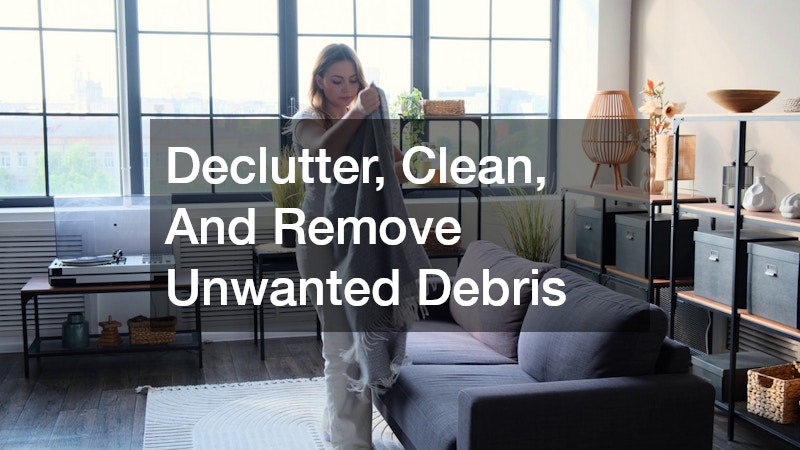
Clutter hides space. And space sells homes.
This section isn’t about decorating. It’s about subtraction.
Garages packed with boxes, attics filled with forgotten furniture, and overflowing sheds give the impression that the home lacks storage.
If clearing out feels overwhelming, scheduling trash removal can simplify the process. Old appliances, broken patio furniture, and unused renovation scraps should not be present during showings.
Instead of viewing decluttering as cleaning, think of it as staging through simplification.
A helpful rule: if you haven’t used it in a year and it won’t move with you, remove it now.
Buyers open closets. They inspect garages. They peek behind doors. Clean, open spaces communicate abundance.
Go one layer deeper than what’s visible at first glance. Half-empty closets feel larger than tightly packed ones. Kitchen counters should be mostly clear, with only one or two intentional items left out. Remove personal photos, excess décor, and anything that visually interrupts the flow of a room. Even neatly stacked storage bins can make a space feel tight. The goal is to create breathing room. When buyers can easily imagine their own belongings fitting comfortably, the home feels bigger, more functional, and more valuable.
Prioritize Repairs That Offer The Highest Return
Not every repair is worth making before selling. Some improvements simply don’t recoup their cost.
This is where strategy matters.
High-Impact, Lower-Cost Fixes
- Fresh neutral paint
- Re-caulking tubs and sinks
- Replacing dated light fixtures
- Fixing squeaky doors
- Updating cabinet hardware
These upgrades are inexpensive but highly visible.
Repairs That Often Don’t Pay Off
- Luxury kitchen overhauls
- High-end custom features
- Major layout changes
Buyers prefer making large design decisions themselves. Over-personalizing right before selling can waste money.
Instead of asking, ”What can I upgrade?” ask, ”What might make a buyer hesitate?”
Fix hesitation. Skip extravagance.
Prepare Documentation To Support Your Repairs

Repairs alone don’t build trust. Documentation does.
Create a simple folder — digital or physical — that includes:
- Receipts for major work
- Warranties
- Inspection reports
- Maintenance records
If you completed roof work, plumbing repairs, insulation upgrades, or exterior improvements, make that information easily accessible.
Some sellers choose to schedule a pre-listing inspection. While not required, it allows you to address issues before buyers discover them.
A one-page summary of completed improvements can also help agents highlight the home’s strengths during showings.
Transparency reduces friction. And friction slows sales.
Conduct A Final Pre-Listing Walkthrough
Before photography, before staging, before open houses — walk through your home as if you’ve never seen it before.
Turn on every light. Open every door. Test every outlet.
Stand in each room and ask:
- Does anything feel broken?
- Is there an odor?
- Is the temperature consistent?
- Would this concern me if I were buying?
Check baseboards for scuffs. Tighten loose handles. Replace burnt-out bulbs.
Small details compound. Individually, they seem trivial. Collectively, they influence perception.
You want buyers to feel calm inside your home — not curious about what might go wrong next.
Selling With Confidence

Preparing your home for sale isn’t about perfection. It’s about removing uncertainty.
Address structural and system concerns first. Eliminate moisture and safety risks. Simplify and clean. Document what you’ve done.
When buyers walk through a home that feels solid, cared for, and thoughtfully maintained, they don’t just see walls and fixtures. They see fewer future problems.
And when buyers feel confident, they make stronger offers.
Every repair you complete before listing is one less negotiation later.