 By admin
Choosing and moving into a new residence represents one of the most significant milestones a family can experience. Whether you are transitioning to a bigger space to accommodate a growing household, relocating for a job, or looking for a customized living environment that aligns with your lifestyle, the process requires thoughtful strategy, clear organization, and continuous collaboration among family members. From the initial search for the right neighborhood to the final day of unboxing in your new living room, every phase comes with its own set of choices and logistical hurdles. By breaking down the process into clear, manageable steps, you can eliminate much of the stress and turn what might feel like an overwhelming task into an enjoyable family journey.
Navigating the Selection Process

Finding the perfect neighborhood and structure for your family demands a careful balance of practical requirements and long-term aspirations. You are not just buying walls and a roof; you are choosing the backdrop for your family’s everyday memories, daily routines, and long-term security.
Prioritizing Community Amenities and Educational Quality
When searching for a new neighborhood, evaluating the broader community context is just as crucial as inspecting the house itself. Take time to explore the surroundings during different times of the day to get a genuine sense of traffic patterns, noise levels, and neighborhood activity. Consider proximity to quality school districts, public parks, medical facilities, grocery stores, and recreational centers. High-performing schools often serve as a strong indicator of community stability and property value retention, making them a wise focus even for buyers without school-aged children. Furthermore, walking through local parks and visiting nearby community spaces helps you gauge whether the area fosters the kind of active, welcoming social environment where your family will feel comfortable and connected.
Weighing the Benefits of Custom Builds Versus Existing Properties
Deciding between buying an existing property and constructing a brand new living space is a foundational fork in the homebuying path. Purchasing an established property allows for immediate occupancy and often provides mature landscaping in developed neighborhoods. On the other hand, starting fresh gives you total control over floor plans, energy efficiency, and interior finishes. Partnering with a skilled home builder allows families to design a space tailored precisely to their daily routines, storage needs, and aesthetic preferences. Working alongside experienced local custom home builders ensures that the final design incorporates regional building styles, climate considerations, and specialized zoning requirements, resulting in a residence tailored perfectly to your life.
Evaluating Safety Features and Neighborhood Security
Safety remains a top priority for any household seeking a fresh start. Beyond analyzing local crime statistics, inspect the structural and technological security features embedded within prospective neighborhoods. Many modern developments utilize sophisticated security technology to maintain peace of mind for their residents. Neighborhoods equipped with modern access control systems help restrict unauthorized vehicular and pedestrian entry, maintaining a controlled, secure environment for children playing outdoors. Similarly, developments utilizing ai gated community management offer automated visitor logging, seamless guest entry, and real-time monitoring, ensuring high-level security without creating long queues at entrance gates.
Financial Preparation and Legal Planning

Before signing contracts or committing to a specific property, establishing a sound financial and legal foundation is essential. Navigating mortgages, insurance, and structural costs early prevents unpleasant surprises down the road and keeps your family budget intact.
Establishing a Realistic Purchase and Relocation Budget
A successful move depends on a transparent budget that accounts for both obvious costs and hidden expenditures. Many buyers focus exclusively on the purchase price or monthly mortgage payment, forgetting that the total cost of relocation includes inspection fees, closing costs, immediate repairs, and moving services. Create a detailed spreadsheet outlining every projected expense, including an emergency contingency fund equal to roughly five to ten percent of the total project budget. This buffer ensures that unexpected repairs, price fluctuations in materials, or minor moving delays do not derail your overall financial health or add unnecessary panic during an already busy transition.
Managing Insurance Requirements and Risk Protections
Protecting your investment against unforeseen damage, weather events, and liability requires securing proper coverage well before the moving trucks arrive. Insurance requirements vary significantly depending on geographic location, local weather patterns, and specific property features. Take time to compare local insurance plans to find coverage options that address regional climate hazards, such as floods, wildfires, or severe winter storms, while offering competitive premiums. Additionally, ensure your coverage accounts for any unique features on the property, such as detached structures, high-value personal property, or recreational installations, so that you are fully protected from day one.
Overseeing Structural Upgrades and Specialized Additions
If your chosen home requires renovation work or specialized additions prior to move-in day, managing these projects efficiently is vital for maintaining your schedule. Coordinate closely with trade professionals to secure the required permits and confirm completion dates before finalizing your move-in schedule. Contracting expert construction services ensures that structural modifications, electrical upgrades, and plumbing work strictly adhere to current municipal building codes. If your design includes luxury outdoor features, hiring a reputable in ground pool company guarantees that excavation, drainage, and safety fencing meet strict industry standards, creating a safe, refreshing backyard space ready for family enjoyment.
Organizing a Seamless Moving Strategy
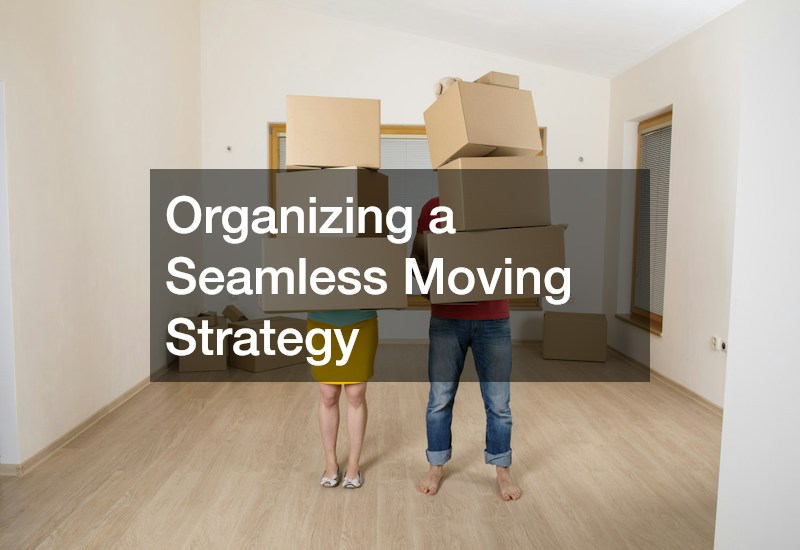
Once the property details are finalized, attention shifts to the physical transition. Moving an entire family involves hundreds of moving parts, making structured organization and clear communication absolutely essential for a smooth experience.
Developing a Structured Timeline and Inventory Checklist
A smooth move relies on early preparation and disciplined tracking. Begin your moving timeline at least eight weeks before the target transition date to avoid last-minute rushing and chaotic packing.
- Begin decluttering each room systematically, donating, selling, or discarding items that no longer serve your family.
- Create a detailed inventory spreadsheet, assigning a unique number and color-coded destination tag to every box.
- Gather essential documentation, including school transcripts, medical records, pet vaccination certificates, and utility contract numbers.
- Notify financial institutions, postal authorities, government agencies, and subscription services of your change of address well in advance.
- Pack a personal essential kit for each family member containing several days of clothes, toiletries, medicine, chargers, and vital documents.
Selecting Professional Transport and Logistics Partners
Entrusting your family’s personal possessions to external contractors requires diligence and research. Obtaining multiple quotes and checking background credentials guarantees that your belongings are handled with care and efficiency throughout the journey.
- Request comprehensive written estimates from at least three different companies, ensuring they perform thorough walk-throughs before providing quotes.
- Confirm that potential contractors hold active state and federal licenses, proper cargo insurance, and positive ratings with consumer protection agencies.
- Hiring a reputable moving and storage company provides flexible temporary holding options if your move-in dates do not align perfectly with your move-out schedule.
- Utilizing professional moving services reduces physical strain on your family and minimizes the risk of accidental damage to fragile items during transit.
- Engaging experienced out-of-state moving services ensures full compliance with long-distance transit regulations, route planning, and interstate transport documentation.
Preparing Children and Pets for the Big Transition
Relocation can be emotionally challenging for young children and pets, who thrive on familiarity and routine. Involving them in the process early helps reduce anxiety and fosters excitement about the new environment.
- Talk openly with children about the upcoming change, using maps, photos, and stories to help them visualize their new home and community.
- Pack a special box with your child’s favorite toys, blankets, and books, keeping it easily accessible during the journey rather than sealed in a moving truck.
- Maintain regular mealtime, naptime, and bedtime routines during the packing weeks to preserve a sense of stability and security.
- Visit the new neighborhood beforehand if possible, touring nearby parks, schools, and ice cream shops to build positive anticipation.
- Designate a quiet, secure room in the old home on departure day where pets can remain safe and relaxed while movers pack up the rest of the house.
Settling into Your New Environment

Unpacking the last box is only the beginning of making a new house feel like home. Transitioning smoothly into your new residence involves organizing interior spaces efficiently, establishing safe routines, and reaching out to the surrounding neighborhood.
Prioritizing Room Setup for Immediate Family Comfort
Resist the urge to unpack randomly or try to finish the entire home in a single day. Focusing on key functional spaces first creates a comfortable operational base for the family, reducing fatigue and clutter-related stress.
- Set up bedrooms first, assembling bed frames and laying out fresh bedding so everyone can get a restorative night of sleep.
- Unpack the kitchen next, setting up basic cooking items, coffee makers, eating utensils, and daily dishes for immediate family meals.
- Organize bathrooms with essential toiletries, clean towels, shower curtains, and basic first-aid supplies.
- Establish a temporary unpacking zone in a garage or central living space to keep walkways clear and maintain safety throughout the house.
- Set up basic entertainment or play spaces so children have a safe, quiet area to play while adults focus on remaining logistics.
Adapting Home Systems to Suit Long-Term Efficiency
Understanding the operational systems of your new property ensures lower utility costs and extends the lifespan of major home components over time. Take time during the first month to review energy usage and optimize everyday household routines.
- Perform a thorough walkthrough of all heating, cooling, and insulation systems to identify draughts or inefficient settings.
- Programmable thermostats should be calibrated immediately to match your family’s actual schedule, lowering energy usage during school and work hours.
- Inspect water heaters and set temperature limits to safe, efficient ranges to prevent scalding and lower power consumption.
- Install water-efficient fixtures across all bathrooms and outdoor hoses to conserve resources without sacrificing water pressure.
- Document system warranties and maintenance schedules in a central binder so routine checks are never missed throughout the year.
Establishing Household Safety Protocols and Maintenance Routines
Once settled inside, take immediate steps to secure the premises and establish essential home maintenance habits that protect your family and investment.
- Replace or rekey all exterior door locks immediately to ensure that previous occupants or contractors no longer have key access.
- Locate and label the main water shut-off valve, electrical breaker box, and gas line control valve so you can react quickly during emergencies.
- Test all existing smoke detectors and carbon monoxide sensors, replacing batteries or installing new units on every level of the home.
- Formulate and practice a family emergency evacuation plan, identifying clear exit paths from every bedroom and establishing a safe neighborhood meeting spot.
- Schedule routine seasonal maintenance for heating, ventilation, and air conditioning systems to maintain healthy indoor air quality and energy efficiency.
Fostering Positive Family Routines in the New Space
Creating a sense of belonging within the house involves establishing fresh domestic routines that bring family members together each day. Setting up functional shared spaces helps balance personal privacy with collective family bonding.
- Create dedicated study or work nooks equipped with adequate lighting and ergonomic seating to support focus and productivity.
- Establish common gathering areas, such as a cozy family reading corner or game table, to encourage screen-free interaction.
- Set up clear household organizational systems for shoes, coats, backpacks, and mail near primary entry points to prevent daily clutter build-up.
- Assign age-appropriate household chores to children early in the move so they feel actively invested in maintaining their new environment.
- Designate calm zones where individuals can relax quietly when needing time away from the noise of unpacking and settling in.
Connecting with the Local Community and Neighbors
Integrating into your new neighborhood helps transform an unfamiliar location into a true home community. Taking proactive steps to introduce yourself builds local support networks and long-lasting friendships.
- Take regular walks through your new street with family and pets, offering friendly greetings to neighbors working in their yards or walking nearby.
- Join local neighborhood groups, community associations, or online neighborhood forums to stay informed about local events and news.
- Support small local businesses, farmers markets, and neighborhood cafes to familiarize yourself with the regional culture and economy.
- Enroll in local community centers, sports leagues, or library reading programs where family members can meet people with shared interests.
- Host a casual backyard gathering or simple open house once unpacking is complete to thank neighbors for their patience during your move-in process.
Transitioning into a new residence is a complex, multi-layered process that requires careful planning, effective organization, and open family communication. By managing each phase thoughtfully—from evaluating prospective neighborhoods and securing financial foundations to coordinating logistics and settling into the local community—you turn a potentially demanding task into an empowering adventure. Remember that creating a true home takes time, patience, and effort long after the moving truck drives away. Embrace the process, celebrate small milestones along the way, and look forward to the many wonderful memories waiting to be made in your new space.